Unique cultural travel destinations to visit Explore the Worlds Hidden Gems
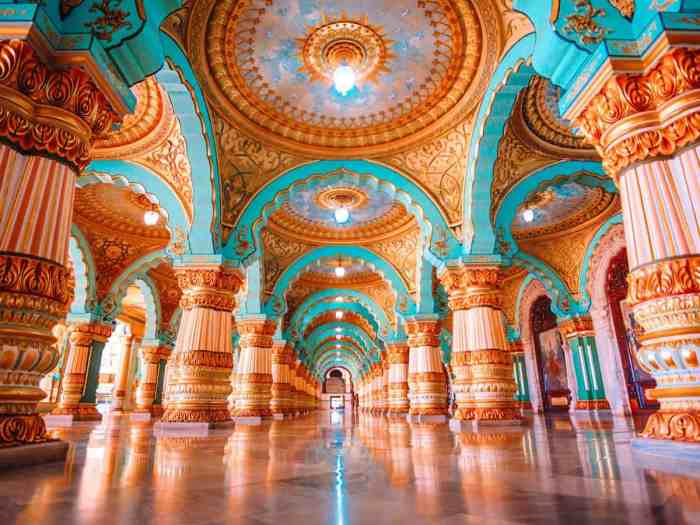
Unique cultural travel destinations to visit sets the stage for this enthralling narrative, offering readers a glimpse into a story that is rich in detail and brimming with originality. From the vibrant streets of Asia to the historical landmarks of Europe, this journey promises to uncover the beauty of lesser-known cultural sites.
Unique cultural travel destinations to visit
Exploring unique cultural travel destinations can offer a rich and immersive experience that goes beyond typical tourist attractions. These destinations are characterized by their distinct traditions, art, cuisine, architecture, and customs that showcase the unique identity of a particular region or community.
Visiting culturally rich places allows travelers to gain a deeper understanding of different ways of life, history, and heritage. It provides an opportunity to appreciate the diversity of human culture and to learn about the values, beliefs, and practices that shape a society. By engaging with local communities and participating in cultural activities, travelers can broaden their perspectives and foster cross-cultural connections.
The significance of visiting culturally rich places
- Preservation of heritage: By visiting cultural destinations, travelers contribute to the preservation of traditional arts, crafts, languages, and customs that may be at risk of disappearing.
- Educational experience: Cultural travel allows for learning about the history, traditions, and social structures of different societies, promoting cultural awareness and understanding.
- Promotion of sustainable tourism: Supporting local artisans, businesses, and communities through cultural tourism can help in the preservation of cultural landscapes and traditions.
- Promotion of tolerance and respect: Experiencing diverse cultures firsthand can foster empathy, tolerance, and respect for people with different backgrounds and ways of life.
The benefits of exploring offbeat cultural destinations
- Authentic experiences: Offbeat cultural destinations offer a more authentic and less commercialized travel experience, allowing travelers to connect with local traditions and customs on a deeper level.
- Less crowded: Unlike popular tourist hotspots, offbeat cultural destinations are often less crowded, providing a more intimate and peaceful environment for exploration.
- Unique insights: Exploring offbeat cultural destinations can lead to unique insights and discoveries that are not typically found in mainstream travel guides, offering a fresh perspective on a region’s culture and history.
- Sustainable tourism: By visiting offbeat cultural destinations, travelers can help distribute tourism income more evenly across different regions, reducing the impact of overtourism on popular destinations.
Asia

Asia is home to a plethora of unique cultural destinations that offer a glimpse into the rich history and traditions of the region. From ancient temples to vibrant festivals, Asia has something to offer every traveler seeking an immersive cultural experience.
Kyoto, Japan
Kyoto, Japan is a city steeped in history and tradition, serving as the former imperial capital of Japan for over a thousand years. With its well-preserved temples, gardens, and traditional tea houses, Kyoto offers visitors a chance to step back in time and experience the beauty of ancient Japanese culture.
Varanasi, India
Varanasi, India is one of the oldest continuously inhabited cities in the world and holds immense religious significance for Hindus. The city is known for its ghats along the Ganges River, where pilgrims come to bathe and perform religious rituals. Varanasi is a hub of spirituality and traditional customs, making it a must-visit destination for those interested in Indian culture.
Luang Prabang, Laos
Luang Prabang, Laos is a UNESCO World Heritage site known for its well-preserved French colonial architecture and traditional Lao wooden houses. The city is home to numerous Buddhist temples, where monks participate in daily rituals and alms-giving ceremonies. Luang Prabang offers a peaceful and authentic glimpse into Laotian culture and traditions.
Africa
Africa is a continent rich in diverse cultures, traditions, and histories waiting to be explored. From the vibrant markets of Morocco to the ancient ruins of Egypt, there are countless unique cultural travel destinations to visit across Africa.
Lesser-Known Cultural Travel Destinations in Africa
- Timbuktu, Mali: Known for its rich history as an ancient trading hub and center of Islamic learning.
- Lalibela, Ethiopia: Home to a complex of rock-hewn churches dating back to the 12th century.
- Great Zimbabwe, Zimbabwe: An impressive archaeological site with stone ruins that showcase the once-powerful Kingdom of Zimbabwe.
Diversity of Cultures Across Different African Countries
Africa is a melting pot of cultures, with each country offering a unique blend of traditions, languages, and customs. From the Maasai tribe in Kenya to the Zulu people in South Africa, the diversity of cultures across the continent is truly astounding.
Personal Experiences from Visiting Cultural Sites in Africa
- Exploring the ancient pyramids of Giza in Egypt and marveling at the engineering feat of the ancient Egyptians.
- Immersing myself in the vibrant music and dance scene in Senegal, where traditional rhythms fill the streets.
- Visiting the historic Robben Island in South Africa, where Nelson Mandela was imprisoned for 18 years, and gaining a deeper understanding of the country’s struggle for freedom.
Europe
Europe is a continent rich in history and culture, with many unique destinations worth visiting to explore its diverse heritage.
Unique Cultural Destinations in Europe
Europe is home to a myriad of unique cultural destinations that offer travelers a glimpse into the past and present of different countries. Some of the must-visit destinations include:
- Barcelona, Spain – Known for its stunning architecture, vibrant art scene, and delicious cuisine.
- Prague, Czech Republic – Famed for its well-preserved medieval architecture and charming cobblestone streets.
- Athens, Greece – The birthplace of democracy and Western civilization, with iconic landmarks like the Acropolis.
- Paris, France – A city of romance and art, home to world-renowned museums like the Louvre and iconic landmarks like the Eiffel Tower.
Comparing and Contrasting Cultural Heritage in European Countries
European countries each have their own unique cultural heritage, shaped by their history, traditions, and influences from neighboring regions. Here are some key differences and similarities:
| Country | Cultural Heritage |
|---|---|
| Italy | Renaissance art, Roman ruins, and culinary traditions. |
| Germany | Medieval castles, beer culture, and classical music heritage. |
| Sweden | Viking history, stunning natural landscapes, and design innovations. |
Impact of Tourism on Preserving Cultural Sites in Europe
Tourism plays a significant role in preserving cultural sites in Europe by generating revenue for maintenance and conservation efforts. However, it also poses challenges such as overcrowding, wear and tear on historical sites, and the risk of over-commercialization. Striking a balance between promoting tourism and protecting cultural heritage is crucial to ensure these sites remain accessible and well-preserved for future generations to enjoy.
South America
South America boasts a rich tapestry of cultures and traditions that have been passed down through generations. From the vibrant festivals to the unique art and cuisine, there is so much to explore in this diverse continent.
Indigenous Cultures and Traditions
In South America, indigenous cultures play a significant role in shaping the identity of the region. From the ancient civilizations of the Incas in Peru to the indigenous tribes of the Amazon rainforest, each group has its own unique customs and beliefs. The traditional clothing, music, and rituals of these communities offer a glimpse into a world that is both fascinating and deeply rooted in history.
Sustainable Tourism in South America
As tourism continues to grow in South America, there is a pressing need to ensure that it is sustainable and respectful of the local culture and environment. Sustainable tourism practices not only help preserve the cultural heritage of the region but also support the livelihoods of the local communities. By promoting responsible travel and supporting eco-friendly initiatives, we can contribute to the preservation of South American cultural heritage for future generations to enjoy.
Embark on a journey to discover the essence of diverse cultures and traditions across the globe. Unique cultural travel destinations offer a unique opportunity to delve into the heart of a country, leaving a lasting impact on those who seek authentic experiences.
Common Queries
What defines a culturally unique travel destination?
A culturally unique travel destination is one that showcases distinct traditions, customs, and heritage that are not commonly found in mainstream tourist locations.
Why is it important to explore offbeat cultural destinations?
Exploring offbeat cultural destinations allows travelers to immerse themselves in authentic local experiences, support lesser-known communities, and preserve cultural diversity.